

Why We’re Called Soully Aware (Yes, It Started in My Kitchen)
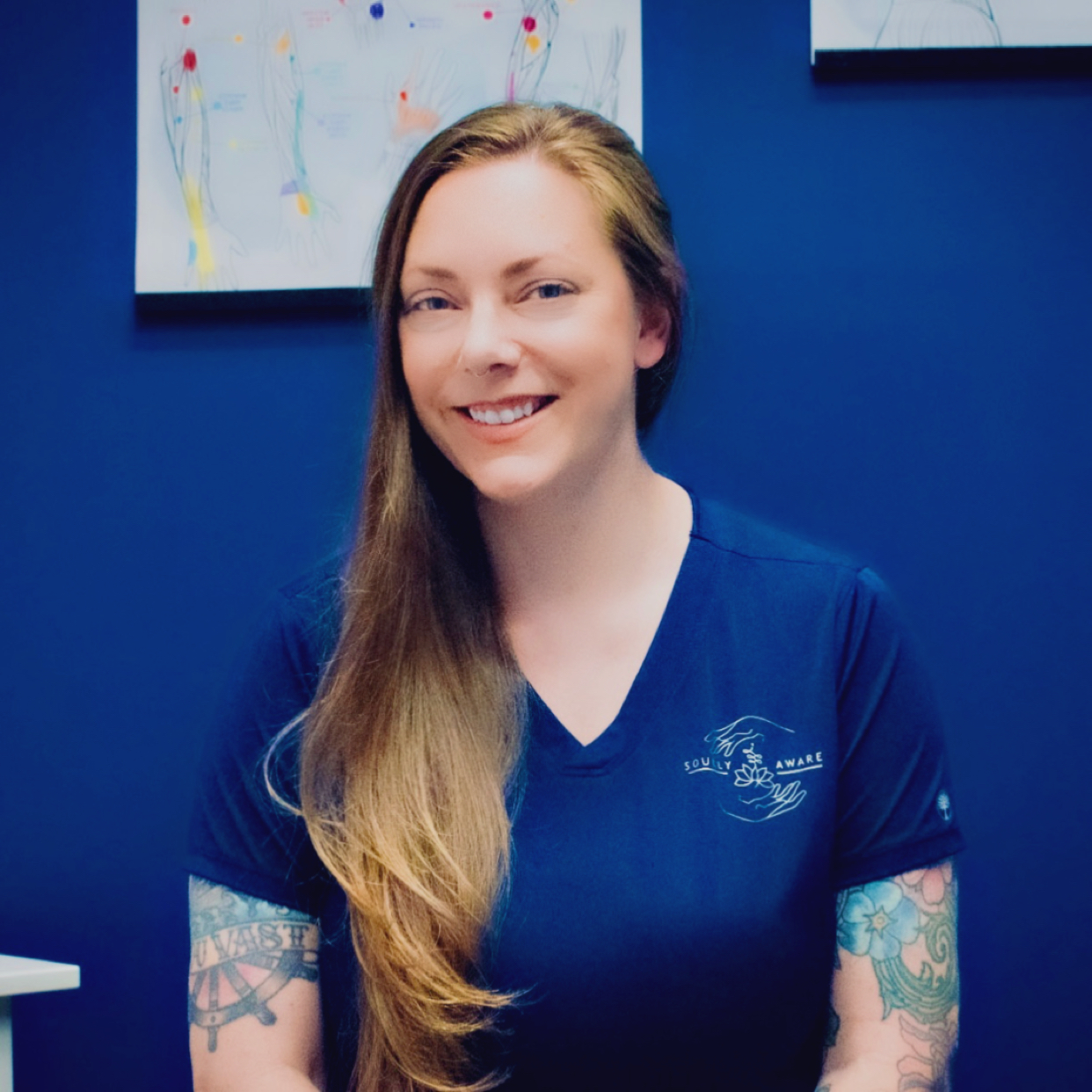
I would love to tell you that a branding agency spent months on our name, with mood boards and a very expensive whiteboard. They did not. I was standing in my kitchen, brainstorming business names, and “Soully Aware” just popped into my head.
Where the name comes from
It’s a play on “wholly aware,” as in treating the whole person. My first instinct was to say we treat you “from soul to skin,” and then I tried saying it out loud and it sounded… a lot. So I kept the soul, kept the wholly, and mashed them together. Soully Aware: being aware of you as a whole being.
And yes, you can read it as “solely” if you want. The spelling is on purpose.
The part where I admit I’m a science person
Here’s the funny thing. I’m wary of anything that sounds too woo, and I know a name with “soul” in it could raise an eyebrow. If you’re the kind of person who wants to know how something works before you try it, I get it. I’m you.
That’s exactly why I love that the name and our work fit together. Neurofascial Integration, or NFI, is how I make “whole person” practical instead of mystical.
What “whole person” actually means
In NFI, whole person doesn’t mean incense and vibes. It means your tissue, your nervous system, and your life this week are all part of the same story. The fascia that wraps your muscles, the nervous system that keeps adjusting how much tension you hold, and the stress, sleep, training, and everything else you carry in with you. We don’t treat those separately, because your body doesn’t.
In a session, that looks like reading and responding. I pay attention to how your body answers as we work, and I adapt. Same therapist, same framework, and the session can still look different from one visit to the next, because you are different from one visit to the next. A routine can’t keep up with that. Listening can.
Same framework, different hands
This is also why our team doesn’t all work alike, and why that’s the whole point. Dex works slowly and gently, with a craniosacral and myofascial influence. Kiki is more treatment-focused, with stretching and movement woven through the session. I like to stay adaptable and go deep when that’s what you want, barefoot massage included. We all work from the same framework, but we each read and respond to your body through our own strengths.
So, soul to skin?
Still sounds weird to say. We went with the name anyway. What I mean by it is simple: we pay attention to all of you, not just the sore spot, and we use a framework with real science behind it to do that.
If you’re curious what that feels like, we’d love to meet you in Gresham or Sandy. Book online at soullyaware.com, tell us what you’re noticing, and we’ll start there.

Comments